Jack White: White Stripes Founder Who Records on Vintage Analog Tape at Third Man Studios
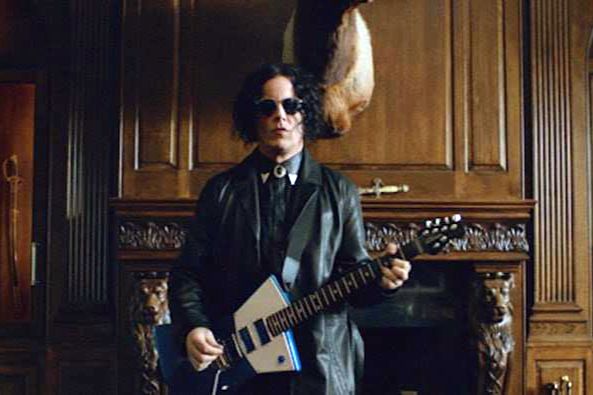
Jack White is a modern champion of analog recording. From The White Stripes to The Raconteurs, The Dead Weather, and his solo work, he’s built a career on vintage equipment, self-imposed limitations, and a DIY ethos that values raw energy over polish.
The White Stripes Era (1999-2007)
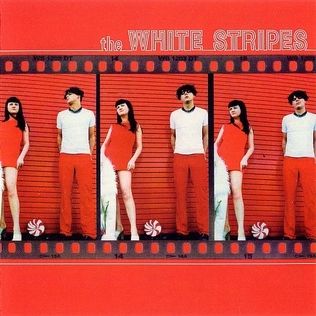

The White Stripes (1999)
- Producer: Jack White
- Recorded: January 15-19, 1999
- Location: Ghetto Recorders, Detroit, Michigan
- Equipment: 8-track Tascam 388 reel-to-reel, Shure SM57s
- Approach: Minimal overdubs, capture live performance energy
Recorded in five days, the debut White Stripes album was raw and unpolished by design. Jack and Meg White embraced a DIY approach that would define their career—just guitar, drums, and vocals.
The iconic red, white, and black color scheme started here. The stripped-down instrumentation was partly necessity (limited budget) and partly choice.
During “Jimmy the Exploder,” Jack’s guitar amp fell over mid-take, creating a unique distortion. They kept it. That willingness to embrace accidents became a pattern.

De Stijl (2000)
- Producer: Jack White
- Recorded: January 2000
- Location: Jack White’s living room, Detroit
- Equipment: 8-track Tascam 388, basic microphones
Recorded in Jack’s living room. The title references the Dutch art movement, reflecting Jack’s interest in incorporating visual concepts into music.
This album introduced Jack’s slide guitar work, notably on “Death Letter,” a Son House cover. Neighborhood noise bled into tracks—Jack embraced it as part of the album’s character.
One innovation: Jack used a DigiTech Whammy pedal to emulate bass guitar on several tracks, filling out the duo’s sound without adding musicians.
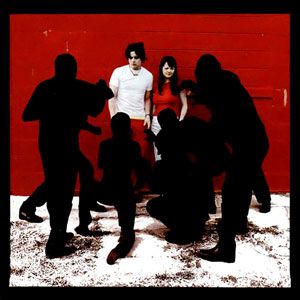
White Blood Cells (2001)
- Producer: Jack White
- Recorded: February 5-7, 2001 (3 days)
- Location: Easley-McCain Recording, Memphis, Tennessee
- Equipment: Analog tape, vintage tube mics and preamps
- Awards: #61 on Rolling Stone’s 500 Greatest Albums (2020), Platinum certification
This album catapulted The White Stripes from underground to mainstream. Recorded in three days to capture live energy and prevent overthinking.
Happy accidents: The count-in left on “Fell in Love with a Girl” became iconic. Jack’s songwriting got more personal—“The Same Boy You’ve Always Known” offered rare glimpses into his psyche.
The challenge was creating a fuller sound while staying minimalist. Jack solved this by layering multiple guitar parts on some tracks, a technique he’d previously avoided.

Elephant (2003)
- Producer: Jack White
- Recorded: April 1-7, 2002 (7 days)
- Location: Toe Rag Studios, London
- Equipment: 8-track Studer, all vintage gear from pre-1963
- Approach: No computers, pure analog
- Awards: Grammy for Best Alternative Music Album (2004), Platinum, #390 on Rolling Stone’s 500 Greatest Albums
The pinnacle of Jack’s analog purism. Toe Rag Studios was all-analog—nothing newer than 1963. This self-imposed limitation forced creative solutions and gave the album its warm, vintage sound.
“Seven Nation Army” introduced Jack’s most famous riff: a semi-acoustic guitar through a DigiTech Whammy pedal set an octave lower. Ironically, this digital pedal was the only modern equipment used.
Capturing Meg’s drum sound was a challenge. Solution: placing the drums in the studio’s reverb chamber, creating the massive sound on “Ball and Biscuit.”
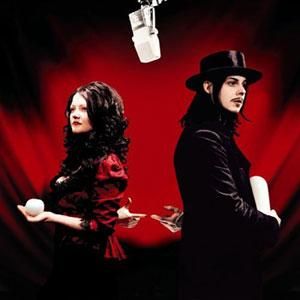
Get Behind Me Satan (2005)
- Producer: Jack White
- Recorded: February-March 2005
- Location: Third Man Studio (Jack’s home studio), Detroit
- Equipment: Analog recording equipment, various acoustic instruments
- Approach: Less guitar-focused, experimentation with marimba and piano
- Awards: Grammy for Best Alternative Music Album (2006), Gold certification
A departure from The White Stripes’ established sound. Jack largely abandoned electric guitar for piano, marimba, and acoustic guitar—partly creative choice, partly because a hand injury made electric guitar difficult.
“Blue Orchid” featured heavily processed guitar (DigiTech Whammy again). “The Nurse” introduced marimba as a lead instrument, creating one of the band’s most unique soundscapes.
Capturing the marimba sound took work. Jack settled on overhead microphones to capture both attack and resonance.
The raw, almost demo-like quality was intentional—Jack preferred immediacy over polish.
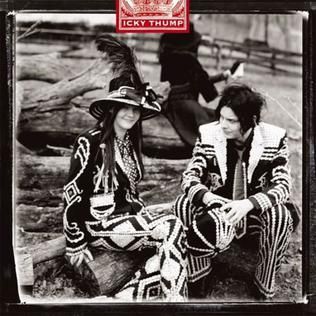
Icky Thump (2007)
- Producer: Jack White
- Recorded: February 5 - March 15, 2007
- Location: Blackbird Studio, Nashville
- Equipment: Analog tape (Studer A800 MkIII), vintage Neve console, vintage mics and outboard gear
- Awards: Grammy for Best Alternative Music Album (2008), Grammy for Best Rock Performance (2008), Platinum
The final White Stripes studio album. More polished and expansive while maintaining analog roots. This was their longest recording process—more time for experimentation and refinement.
The title track: DigiTech Whammy + Fender Twin Reverb. “Conquest” incorporated mariachi horns, a first for the band.
Jack learned Scottish bagpipes for “Prickly Thorn, But Sweetly Worn” and “St. Andrew.” He’d never played them before. It shows — and that’s the point.
Jack and Meg reportedly struggled with pressure during recording, leading to studio tension. Despite (or because of) this, “Icky Thump” is one of their most sonically diverse works.
The Raconteurs and Solo Career (2006-present)
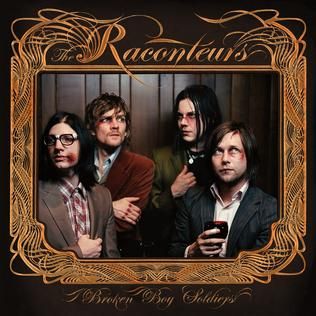
Broken Boy Soldiers (The Raconteurs, 2006)
- Producers: Jack White, Brendan Benson
- Recorded: Late 2005
- Location: Brendan Benson’s home studio, Detroit
- Awards: Nominated for Best Rock Album (2007), Gold certification
Jack’s first major project outside The White Stripes. Born from a casual collaboration with Brendan Benson, starting with “Steady, As She Goes.”
The challenge: blending White’s raw, blues-influenced style with Benson’s power-pop sensibilities. The result was a unique sound distinct from The White Stripes.
One innovation: dual lead vocals, with White and Benson trading lines or harmonizing (“Hands,” “Together”).
More relaxed than White’s usual quick-fire approach, but still spontaneous—often keeping first or second takes.
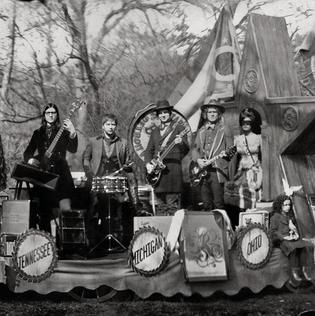
Consolers of the Lonely (The Raconteurs, 2008)
- Producers: Jack White, Brendan Benson
- Recorded: Late 2007 - Early 2008
- Location: Blackbird Studio, Nashville
- Equipment: Analog tape, vintage mics (Neumann U47s), outboard gear
- Awards: Grammy for Best Engineered Album, Non-Classical (2009), Gold certification
Notable for its surprise release: finished album to release in three weeks, bypassing the usual months-long promotion cycle.
Musically diverse: country-tinged “Old Enough,” hard rock “Five on the Five,” narrative-driven “Carolina Drama.”
One innovation: 1970s Univox synthesizer on “The Switch and the Spur,” adding unexpected texture to the analog sound.
Three weeks from start to shelves, and the record doesn’t sound rushed. That’s what happens when four musicians already know each other’s moves.
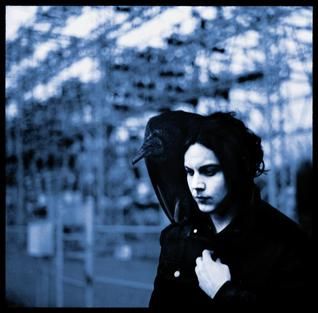
Blunderbuss (Solo, 2012)
- Producer: Jack White
- Recorded: 2011
- Location: Third Man Studio, Nashville
- Equipment: Ampex 8-track, vintage mics (RCA 44-BX ribbon mics), tube preamps
- Approach: Live room recordings, minimal overdubs
- Awards: Nominated for Album of the Year (2013), Best Rock Album (2013), Platinum
Jack’s solo debut. He used two different backing bands—one all-male, one all-female. He’d often record the same song with both, choosing the version that best captured the song’s essence.
Unique techniques: guitar through rotating Leslie speaker cabinet on the title track, creating a swirling effect. “Freedom at 21” experimented with hip-hop inspired drum patterns.
Challenge: capturing the right piano sound. He settled on a slightly out-of-tune upright piano for its raw, emotional character.
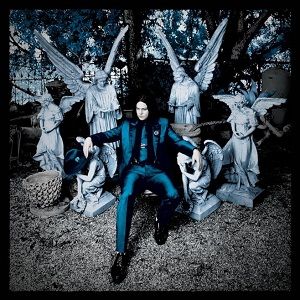
Lazaretto (Solo, 2014)
- Producer: Jack White
- Recorded: 2012-2014
- Location: Third Man Studio, Nashville
- Equipment: Analog tape, vintage gear, custom-built equipment
- Awards: Grammy for Best Rock Performance for “Lazaretto” (2015), Gold certification
White pushed the boundaries of both songwriting and the vinyl format itself. The “Ultra LP” version included dual-groove technology, hidden tracks under the label, and holograms in the dead wax.
Musically diverse: title track blended rock with hip-hop elements, “Temporary Ground” incorporated country and folk, “High Ball Stepper” showcased instrumental guitar prowess.
Unique approach to lyrics: White pulled from plays and poems he’d written as a teenager, reworking them for the album. Something about recording material you wrote at 16 — the awkwardness is gone but the urgency isn’t.

Boarding House Reach (Solo, 2018)
- Producer: Jack White
- Recorded: 2017
- Location: Third Man Studio (Nashville), Sear Sound (NYC), Capitol Studios (LA)
- Equipment: Blend of analog tape and Pro Tools, vintage synths, drum machines
- Awards: Nominated for Best Alternative Music Album (2019)
White’s most experimental and divisive work. For the first time, he incorporated Pro Tools alongside analog equipment. This hybrid approach allowed more complex arrangements and editing.
New sonic territories: funk, electronic music, spoken word. “Corporation” and “Ice Station Zebra” featured synths and drum machines while maintaining signature guitar work.
Compositional shift: often starting with drum machine patterns or synth sequences, building songs from electronic foundations—a departure from guitar-based writing.
Challenge: integrating electronic elements with analog sound while maintaining cohesion.
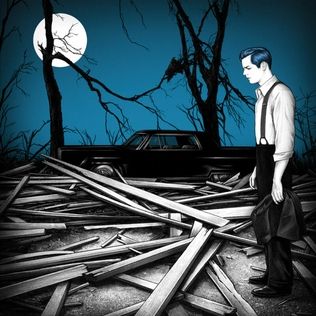
Fear of the Dawn (Solo, 2022)
- Producer: Jack White
- Recorded: 2021
- Location: Third Man Studio, Nashville
- Equipment: Analog tape, vintage gear, some digital technology
Blends White’s guitar-driven rock with electronic elements. Heavy use of synthesizers and digital effects while maintaining analog roots.
Title track: guitar through synth pedal, fusing analog and digital sounds. “Taking Me Back” (lead single): aggressive guitar riffs + pulsating electronic beats.
“Eosophobia” employs talk box effect on guitar. “What’s The Trick?” blends blues rock with industrial-sounding percussion.
Challenge: balancing raw live performance energy with electronic production precision. Solution: record basic tracks live, layer electronic elements on top.
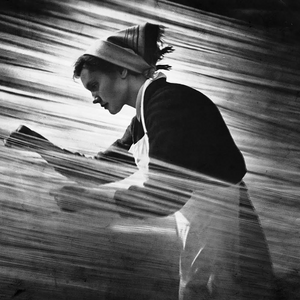
Entering Heaven Alive (Solo, 2022)
- Producer: Jack White
- Recorded: 2021
- Location: Third Man Studio, Nashville
- Equipment: Analog tape, vintage acoustic instruments
- Approach: Acoustic-oriented, folk and blues influences
Released just months after “Fear of the Dawn,” showcasing different sides of White’s musical personality. “Fear” was experimental rock-electronic; “Entering Heaven Alive” was stripped-down and acoustic.
Challenge: creating intimate, acoustic-driven album that still felt dynamic. Incorporated upright bass, fiddle, and other acoustic instruments for depth.
He released both records in the same year on purpose — same artist, same period, completely different energy. The point was that neither album had to carry everything.
The Dead Weather
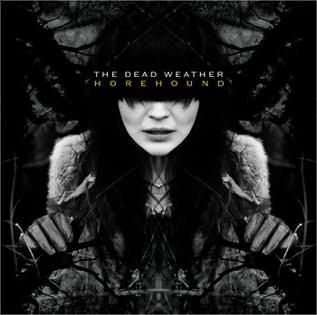
Horehound (2009)
- Producer: Jack White
- Recorded: January 2009 (3 weeks)
- Location: Third Man Studio, Nashville
- Equipment: Analog tape, vintage guitars and amps
Supergroup featuring Jack on drums, Alison Mosshart (The Kills) on vocals, Dean Fertita on guitar, Jack Lawrence on bass.
Born from impromptu jam session. White’s position as drummer (not lead guitarist) allowed different songwriting perspective, resulting in heavier, more rhythmically driven sound.
Recorded in three intense weeks. Many songs emerged from improvised jams—spontaneity evident in tracks like “I Cut Like a Buffalo.”
Innovation: unusual percussion instruments. On “So Far From Your Weapon,” White dropped a large chain onto steel plate for unique rhythmic texture.
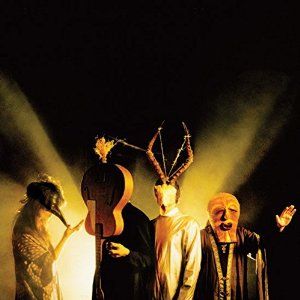
Sea of Cowards (2010)
- Producer: Jack White
- Recorded: December 2009
- Location: Third Man Studio, Nashville
- Equipment: Analog tape, vintage gear, extensive effects pedals
Recorded months after “Horehound,” pushing sound to heavier, more experimental territories. Quick turnaround maintained creative momentum.
Increased use of synths and effects pedals, creating denser, more psychedelic sound. “Blue Blood Blues” showcased White’s unconventional drum patterns.
Unique songwriting: many tracks built from improvised jams—hours of material edited into cohesive songs (“I’m Mad,” “Old Mary”).
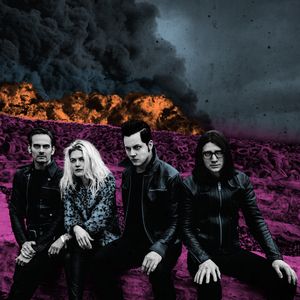
Dodge and Burn (2015)
- Producer: Jack White
- Recorded: 2013-2015
- Location: Third Man Studio, Nashville
- Equipment: Analog tape, vintage gear, blend of old and new instruments
Departure from previous approach. Recorded over two years in short bursts between projects, allowing more pre-planning and refinement.
Extended timeframe resulted in more polished sound while maintaining raw energy. Increased prominence of White’s vocals, often duetting with Mosshart (“Three Dollar Hat”).
Innovation: “Cop and Go” features unusual keyboard sound—Moog synth through guitar amp and effects pedals.
Mixing philosophy and techniques
White’s mixing approach is as distinctive as his recording:
Analog-first: Prioritizes analog consoles and outboard gear over digital plugins for warmth and character.
Minimal compression: Preserves dynamic range for natural, expressive sound—contrary to heavily compressed modern productions.
Embrace imperfections: Keeps slight imperfections like instrument bleed or timing discrepancies for authenticity and energy.
Creative panning: Unconventional stereo imaging. “Seven Nation Army” has the kick drum panned slightly off-center.
Layered vocals: Multiple takes create fuller, more complex vocal sound (“I Cut Like a Buffalo,” “That Black Bat Licorice”).
Distortion as mixing tool: Uses distortion not just on guitars but on other instruments and vocals for cohesive, gritty sound.
Minimal EQ: Captures right sound at source rather than relying on EQ. When used, it accentuates natural characteristics.
Live room sound: Preserves sound of instruments playing together via careful room mic use and minimal separation.
Analog tape saturation: Runs mixes through analog tape for subtle saturation and warmth (evident on “Consolers of the Lonely”).
Mixing for vinyl: Considers vinyl translation—adjusting low-end frequencies and stereo width for optimal playback.
For a mixer working with the same vintage Neve console preference but without the hard rules — adapting approach completely to whatever the artist needs rather than imposing a philosophy on the session — Tchad Blake is a useful comparison. Same gear family, opposite operating principle.
In his own words
“Forcing yourself to work within a set of limitations is better than having endless options.”
“Technology is a big destroyer of emotion and truth. Auto-tuning doesn’t do anything for creativity.”
“I think the only thing I’m really strict about is that I don’t like when people don’t mean what they’re doing.”
“Authenticity is invaluable; originality is non-existent.”
“Digital in the music world is so zeroes and ones. It’s so tight and sterile and clean. Analog is beautiful and large and open.”
“I keep guitars that are, you know, the neck’s a little bit bent and it’s a little bit out of tune. I want to work and battle it and conquer it and make it express whatever attitude I have at that moment.”
“If you don’t know the blues… there’s no point in picking up the guitar and playing rock and roll or any other form of popular music.”
Impact
What’s worth paying attention to in White’s catalog isn’t the genre-hopping — it’s the consistency of the underlying approach. Every project, whether it’s two people in a Detroit living room or a Dead Weather supergroup at Third Man, runs on the same operating system: constraints create the sound, not the other way around.
Third Man Records extended that logic past his own recordings. The pressing plant, the vault releases, the dual-groove vinyl experiments — White treated the format itself as a creative constraint worth fighting with. Most producers just master to streaming specs and move on.
The production philosophy, stripped down: get the sound right at the source. Don’t fix it in the mix. Don’t fix it with plugins. If the bagpipes sound wrong, you played them wrong. Stevie Ray Vaughan got to a similar place from the other direction — no rules about gear vintage, just get the Dumble amp and the Strat on tape with minimal processing. Same commitment to source tone, without the constraint framework.
For a different take on control and prolific output — but with completely different tool choices — Prince’s recording history is worth studying alongside White’s. Prince embraced drum machines and synthesizers as primary instruments from his first album; White rejected them almost entirely. Both produced sounds that are immediately identifiable. That’s the same outcome from opposite directions.
For the opposite mood with a similarly DIY, analog-first mindset, Skinshape is a useful counterpoint: same home-studio discipline, but aimed at slow-burn atmosphere instead of impact and distortion.
Rush ran the exact opposite trajectory over forty years: started in raw analog in the 70s, then selectively added new technology — synthesizers, MIDI, eventually digital production — when it helped them execute ideas they couldn’t otherwise pull off. White locked in on 1963 and stayed. Both approaches produced immediately recognizable sounds. The constraint was the same; the direction was reversed.