Skinshape (Will Dorey): DIY Psychedelic Funk Recording Techniques Across 8 Albums Since 2014
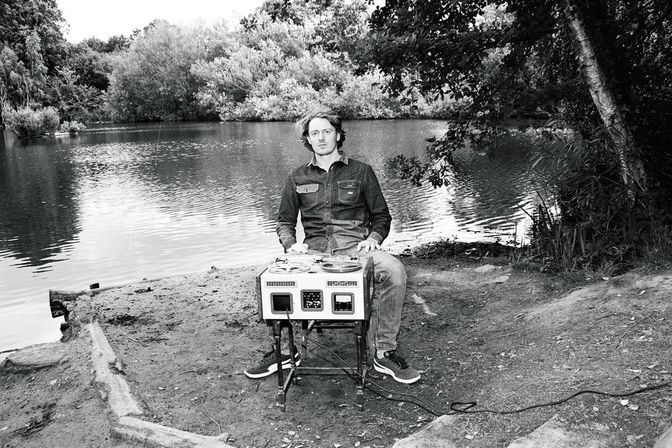
Photo Credit: https://spaceagencybooking.com/skinshape-london/
Skinshape is the solo project of British multi-instrumentalist and producer Will Dorey. Since 2014, he’s released eight albums mixing psychedelic rock, funk, and world music. Here’s a look at how his recording approach has evolved.
The Early Days
Dorey released his first Skinshape album in 2014. He’d previously worked with the band Palace, but this solo project gave him complete creative control. The debut introduced his signature style: heavy sampling, layered instrumentation, and a retro sound that somehow doesn’t feel dated.
Key Albums and Recording Details
1. Skinshape (2014)
- Recording Location: Home studio in London
- Equipment: Vintage analog gear (based on the warm, retro sound)
- Techniques: Heavy sampling and layering
- Reception: Built a dedicated indie following despite no formal awards
Dorey recorded this in his home studio, working with whatever gear he had. The DIY approach shows, but that’s part of the appeal. “Mandala” became a standout track, with its hypnotic loops and layered percussion. The album sounds like it was made by someone digging through record crates and sampling whatever caught his ear.
2. Oracolo (2015)
- Recording Location: London
- Equipment: Analog gear plus world music instruments
- Techniques: More live instrumentation mixed with samples
- Reception: Positive reviews from indie blogs, expanded fanbase
Dorey added more instruments to his setup for the second album. You can hear him experimenting with guitar work, especially on the title track “Oracolo.” The psychedelic guitar lines became a regular part of his sound from this point on. He’s still sampling heavily, but now he’s layering actual played instruments on top.
3. Life & Love (2017)
- Recording Location: London
- Equipment: Mix of analog and digital
- Techniques: More prominent vocals
- Reception: Gained traction on streaming platforms, favorable critical reviews
The production got noticeably cleaner on this one. Dorey either upgraded his vocal recording setup or just got more comfortable singing, because the vocals are way more prominent. The title track “Life & Love” has a polish that wasn’t there on the first two albums. Some of the rough edges are gone, which is both good and slightly sad if you liked the rawness of the early stuff.
4. Filoxiny (2018)
- Recording Location: London
- Equipment: More sophisticated gear as popularity grew
- Techniques: Heavy reverb and delay for psychedelic soundscapes
- Reception: Praised in psychedelic music circles, attention from larger publications
This is where Dorey really leaned into the psychedelic side. “Left With a Gun” is drenched in reverb and delay—hazy guitars, echoing vocals, the whole nine yards. He’s clearly experimenting with effects pedals and plugins. The album maintains a groove underneath all the space and texture, which keeps it from floating away completely.
5. Umoja (2020)
- Recording Location: London, with possible remote collaborations
- Equipment: High-quality digital alongside analog instruments
- Techniques: Live band recording with multi-track techniques
- Notable: “Umoja” means “unity” in Swahili
- Reception: Critical acclaim, featured on several “Best of 2020” lists
Dorey shifted toward a live band sound here. “The Beast” has a fuller, more dynamic feel than earlier albums. Given the 2020 release during the pandemic, some of this was probably recorded remotely with other musicians. It’s a different energy than the solo bedroom production vibe of the first few records.
6. Arrogance Is The Death Of Men (2020)
- Recording Location: London
- Equipment: Similar to “Umoja”
- Techniques: Live instrumentation with electronic elements
- Reception: Positive reviews for introspective themes
Two albums in one year is a lot. This one is more introspective than “Umoja,” with tracks like “Theme for Lazarus” taking a darker, more contemplative turn. The recording approach is similar to “Umoja,” mixing live instruments with electronics. Dorey clearly had a productive 2020.
7. Nostalgia (2021)
- Recording Location: London
- Equipment: Mix of vintage and modern gear
- Techniques: Tape machines or emulation for warm analog sound
- Reception: Praised for retro feel, positive music blog coverage
The title says it all. Dorey is looking backward here, with “Summer Girl” sounding like it could have been recorded in 1975. He’s probably using tape machines or tape emulation software to get that warm, slightly degraded sound. It’s nostalgic without being a straight retro pastiche.
8. Borrachero (2022)
- Recording Location: London, with possible remote collaborations
- Equipment: Digital recording with traditional Latin American instruments
- Techniques: Field recordings and Latin American rhythms
- Reception: Well-received for Latin American influences
Dorey explores Latin American sounds on this one. “La Pelea” mixes psychedelic elements with Latin rhythms. He probably worked with Latin American musicians remotely to get the percussion and instrumentation right. It’s a natural extension of his world music interests, though whether the cultural borrowing feels authentic or appropriative probably depends on who you ask.
Mixing Techniques & Approaches
Dorey hasn’t shared many details about his recording process, but you can pick up a lot from listening to the albums:
1. Vintage Warmth
His mixes sound like they were recorded in the 1960s or 70s. He’s probably using:
- Analog or analog-modeled EQ and compression
- Tape saturation for harmonic richness
- High and low-pass filters to shape frequencies
2. Heavy Reverb and Delay
There’s a lot of space in these mixes. He uses:
- Long reverb tails on vocals and lead instruments
- Tempo-synced delays for rhythmic interest
- Different reverb types (plate, spring, digital) layered together
3. Lo-Fi Textures
He adds grit to otherwise clean productions:
- Vinyl crackle or tape hiss
- Bandpass filtering for a “telephone” effect
- Bitcrushing or sample rate reduction on specific elements
4. Wide Stereo Field
The mixes are wide and immersive:
- Creative panning of instruments and effects
- Mid-side processing for stereo width
- Elements balanced across the stereo spectrum
5. Layered Percussion
The grooves are complex with multiple percussion elements:
- EQ and compression to make space for each element
- Sidechaining for clarity
- Bus processing to glue rhythm sections together
6. Electronic and Organic Mix
He blends electronic and acoustic sounds:
- Matching levels and frequencies between synthetic and organic elements
- Convolution reverb to place electronic sounds in realistic spaces
- Modulation effects to add movement
7. Mix Automation
The mixes move — they don’t sit still:
- Volume and effect automation throughout tracks
- Filtering and EQ changes for movement
- Dynamic panning for spatial effects
8. Dub Techniques
He pulls from dub music traditions:
- Heavy send effects, especially reverb and delay
- Real-time manipulation of effect parameters
- Dropping elements in and out for dynamic arrangements
These techniques give Skinshape its sound: warm and vintage but with modern clarity.
Musical Approach
Dorey hasn’t given many interviews, but you can infer a few things from the music:
Global Influences
He’s consistently drawn from world music traditions—African rhythms, Latin percussion, Asian instrumentation. Whether this is cultural appreciation or appropriation is debatable, but it’s definitely central to his sound.
Analog Preference
He clearly prefers warmth over perfection. The recordings have a human quality, with imperfections that add character rather than detract from the music.
Mood Over Structure
These aren’t pop songs with verse-chorus-verse structures. They’re atmospheric pieces designed to create a specific feeling or headspace.
Nostalgia and Modernity
Everything sounds vintage, but it’s not purely retro. He’s using modern production tools to recreate old sounds, which gives the music a timeless quality.
Meticulous Production
Despite the loose, organic feel, the production is detailed. Every element has a purpose in the mix.
Long-Form Listening
Many tracks evolve slowly over several minutes. They’re meant to be experienced as journeys, not consumed as quick hits.
Final Thoughts
Eight albums in less than a decade is impressive output. Dorey has evolved from bedroom producer to someone working with live musicians across different cultural traditions. The sound has gotten cleaner and more polished over time — a natural progression, and a slight loss of the raw energy that made the early albums compelling. He doesn’t have a massive profile, but the music has a dedicated audience who clearly keep coming back.
If the DIY recording angle is what grabbed you, Jack White is the loudest possible contrast — same commitment to constraints and analog texture, but aimed at garage-blues aggression instead of Skinshape’s hypnotic, mellow grooves.
And if you’re sharing works-in-progress before release, this guide to giving feedback on music is the practical companion to this whole approach.